
Zinc and Magnesium Essential Minerals for Growth
Hair Loss & Health Scan
BALDY AI APP
Get a personalized treatment protocol with Heatmap Analysis and 30+ data insights.
Access hundreds of exercises, research, and real results. Download Baldy now!
Start Your Scan
Zinc and Magnesium: Essential Minerals for Growth
Zinc and magnesium rarely get the spotlight when people talk about hair. They aren’t dramatic and don’t promise fast results. Most of the time, they are discussed as “general health” minerals and then forgotten.
Zinc and magnesium sit quietly underneath the processes that allow hair to grow.
When they’re insufficient, hair grows less efficiently and sheds more easily.
This guide explains what these minerals actually do, why their effects are delayed, and how to think about them without overcorrecting.
Why Minerals Matter More Than They Seem
Hair growth is a construction project. It requires cell division, protein synthesis, and energy production. Minerals act as cofactors—the machinery doesn’t run smoothly without them.
Growth becomes less stable long before obvious symptoms appear elsewhere.
Zinc and magnesium are especially important because they influence:
- How cells divide and repair
- How inflammation is regulated
- How stress signals are handled
- How nutrients are utilized
Zinc: The Regulator Mineral
Zinc supports DNA synthesis and protein assembly, which are critical during the growth phase. It also helps regulate oil glands and immune responses in the scalp.
Zinc deficiency doesn’t destroy follicles.
It disrupts their timing.
Common signs associated with low zinc include:
- Increased diffuse shedding
- Slower regrowth
- Scalp irritation or flaking
- Weaker hair texture
Magnesium: The Recovery Mineral
Magnesium is the “recovery” mineral. It is deeply involved in energy production and nervous system regulation. It helps control inflammatory signaling and supports quality sleep.
Magnesium doesn’t grow hair directly.
It supports the conditions growth depends on.
When magnesium is low, the body stays in a stressed state and recovery signals weaken. This contributes to:
- Prolonged stress-related shedding
- Slower recovery after illness or burnout
- Poorer hair quality over time
How Deficiencies Develop Without Obvious Symptoms
Zinc and magnesium deficiencies are often subtle. Modern diets, chronic stress, and intense exercise can all reduce absorption or increase demand.
Hair is sensitive to these gaps because it’s not prioritized for survival.
The body allocates minerals to essential systems first. Hair receives what’s left. This is why hair changes can appear before fatigue, cramps, or other classic deficiency signs.
Delayed Effects on Hair Growth
Mineral-related hair changes are not immediate. When levels become insufficient, follicles adjust quietly. Only later, once cycles complete, does shedding become noticeable.
Hair reflects history, not the present moment.
This delay often spans weeks to months. By the time changes are visible, the mineral imbalance may have been present for a long time.
Diet, Absorption, and Availability
Intake alone doesn’t determine mineral status. Zinc is found in meat, shellfish, and nuts, while magnesium is in leafy greens and legumes. But absorption varies widely.
Hair responds to availability, not intent.
Factors that interfere with availability include:
- Chronic stress
- Gut inflammation or digestive disorders
- High alcohol intake
- Intense physical training
- Poor sleep
Supplementation: Helpful or Harmful?
Supplementation can help when there’s a true deficiency, but more is not better. Excess zinc can interfere with copper absorption, and high magnesium can cause digestive issues.
Correction is gradual.
So is evaluation.
Even when levels improve, hair changes lag behind because follicles need multiple cycles to respond to the new internal environment.
Key Takeaway
Zinc and magnesium support cell division, protein synthesis, and stress regulation. Deficiencies don’t usually cause sudden loss, but they quietly destabilize growth over time.
These minerals don’t force hair to grow.
They remove hidden constraints that make growth harder.
When zinc and magnesium are adequate, hair follicles are better able to do what they’re already programmed to do.
Baldy Partner Feature
BALDY AI APP
Get a personalized treatment protocol with Heatmap Analysis and 30+ data insights.
Access hundreds of exercises, research, and real results. Download Baldy now!
Learn More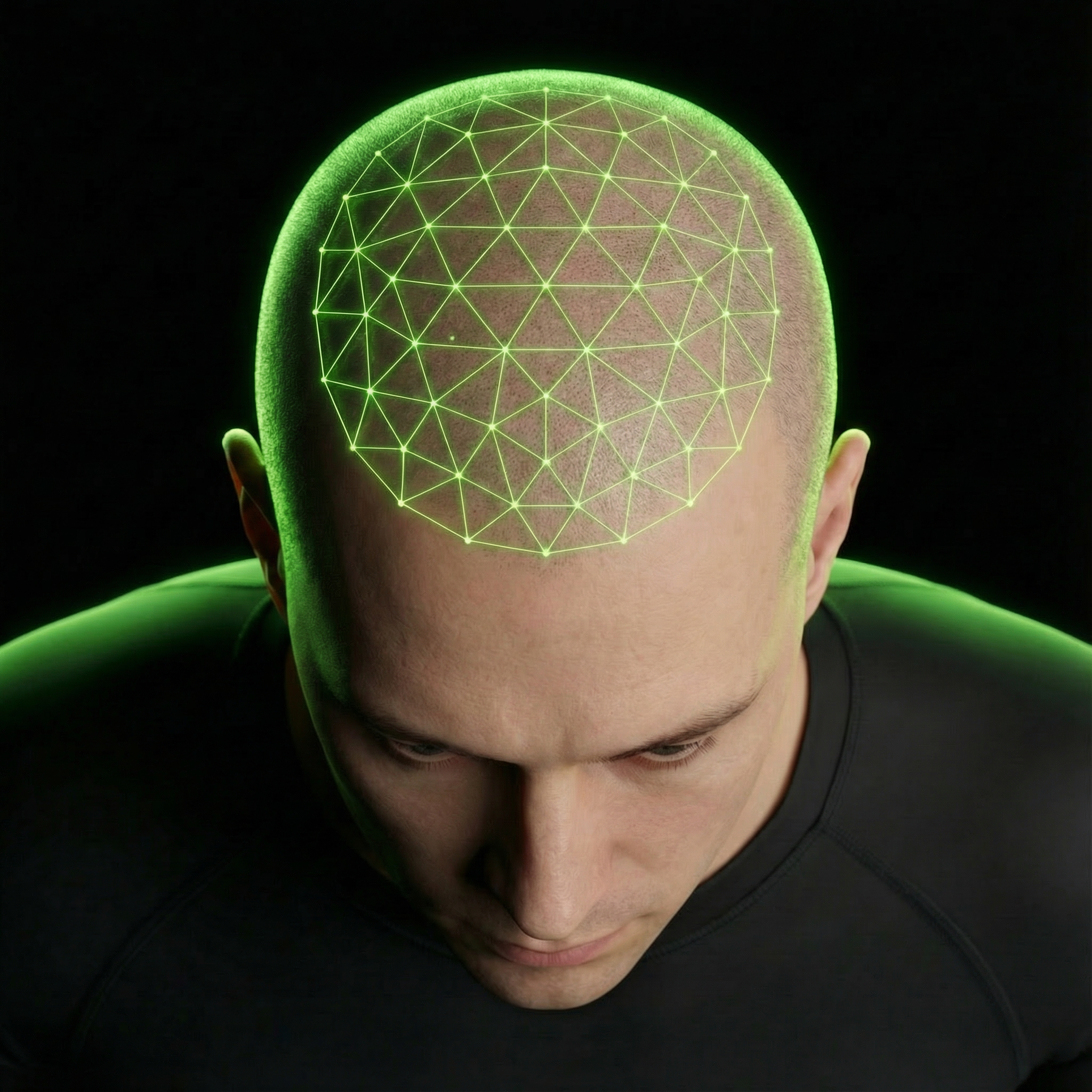
Editorial Policy
Content is educational and not medical advice. For diagnosis or treatment decisions, consult a licensed clinician.