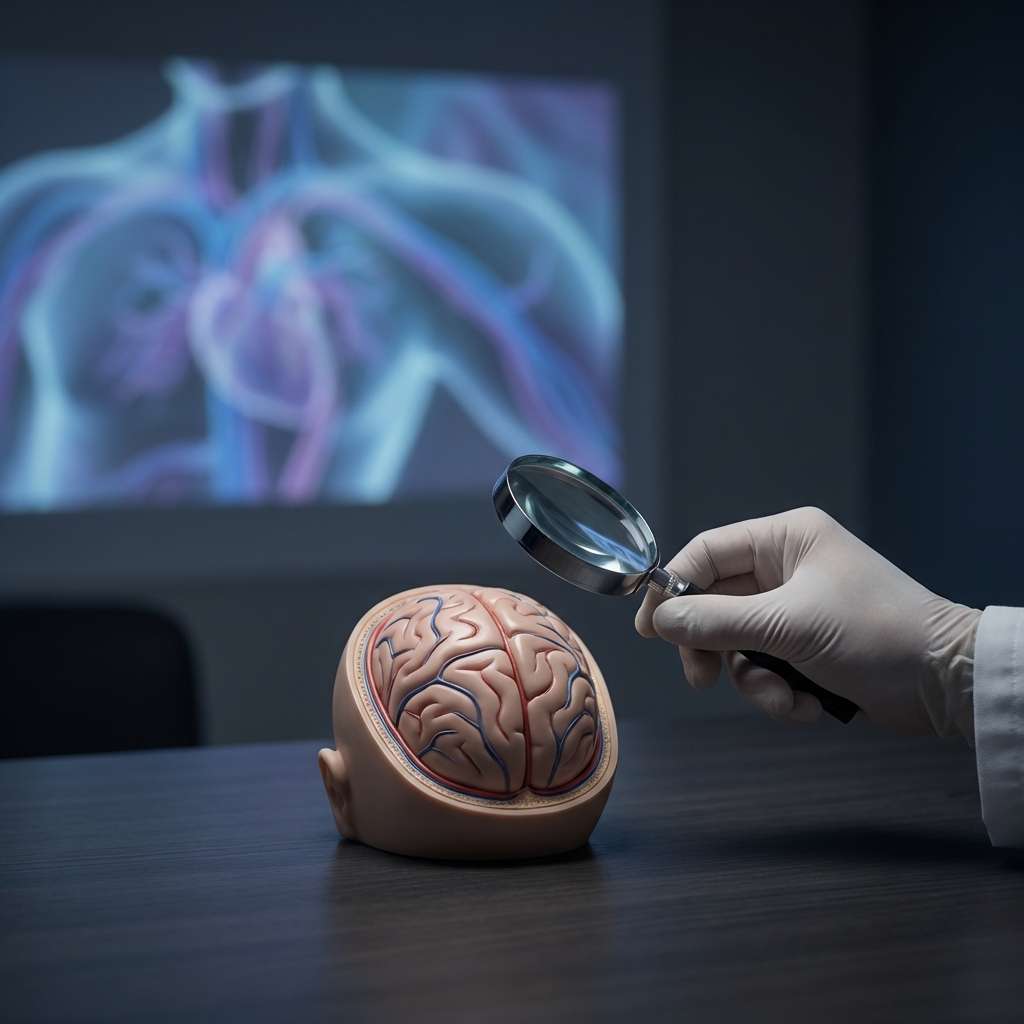
The Impact of Smoking and Vaping on Scalp Circulation
Hair Loss & Health Scan
BALDY AI APP
Get a personalized treatment protocol with Heatmap Analysis and 30+ data insights.
Access hundreds of exercises, research, and real results. Download Baldy now!
Start Your Scan
The Impact of Smoking and Vaping on Scalp Circulation
Smoking and vaping often sit in a strange category when it comes to hair. People know they aren’t great for health, but the connection feels vague because it doesn’t change hair overnight. However, hair growth depends heavily on circulation—one of the systems most affected by nicotine.
Circulation doesn’t determine everything.
But it sets boundaries.
The effects are subtle, delayed, and easy to overlook. Which is exactly why they matter. Hair follicles are living structures that require a steady supply of oxygen and nutrients delivered through tiny blood vessels in the scalp.
Why Circulation Matters for Hair Growth
Good circulation doesn’t force hair to grow, but poor circulation limits how well follicles can function. Because hair is not a priority tissue, the body protects essential organs first when blood flow is compromised.
Hair follicles adapt by reducing output or shortening growth phases.
When resources are limited:
- Growth phases may shorten prematurely
- Follicles may produce finer, weaker hair
- The body deprioritizes hair for survival-essential systems
What Nicotine Does to Blood Vessels
Nicotine is a vasoconstrictor, meaning it causes blood vessels to narrow. This effect happens quickly and can persist with repeated use throughout the day.
Over time, follicles receive a weaker support signal.
In the scalp, where vessels are already small, even mild constriction can matter:
- Less oxygen reaches the tissues
- Nutrient delivery becomes less efficient
- Metabolic waste removal slows down
Smoking, Vaping, and Oxygen Delivery
Smoking and vaping affect more than just vessel size. Combustion products from smoking reduce the blood’s ability to carry oxygen efficiently, while vaping may promote oxidative stress that interferes with vascular health.
Follicles don’t measure intent; they respond to oxygen availability.
Lower oxygen doesn’t stop growth outright. It changes how confidently follicles invest in the growth process. If the environment is low on oxygen, the body is less likely to sustain long, healthy hair cycles.
Why Hair Changes Don’t Show Up Right Away
People often expect cause and effect to be immediate, but hair doesn’t work that way. When circulation is compromised, follicles adjust quietly.
Hair reflects long-term conditions, not yesterday’s choices.
This delay can span months. By the time thinning or increased shedding is noticed, smoking or vaping may feel like an old habit rather than a current trigger. Changes only become visible once the hair cycles complete.
Smoking, Vaping, and Pattern Hair Loss
Poor circulation does not cause genetic hair loss on its own, but it can amplify it. In people with androgen sensitivity, follicles are already under pressure.
Smoking doesn’t rewrite genetics; it worsens the environment those genetics operate in.
Reduced blood flow and increased inflammation add another layer of stress to an already vulnerable system. It doesn’t change where hair loss occurs, but it changes how quickly follicles lose their resilience.
Key Takeaway
Smoking and vaping affect hair primarily through circulation and inflammation. Nicotine narrows blood vessels and reduces oxygen delivery, creating a less supportive environment for hair follicles over time.
Smoking doesn’t suddenly cause hair loss.
It quietly limits how well hair can grow and recover.
Improving circulation by reducing nicotine exposure doesn’t force regrowth instantly, but it restores the conditions that allow follicles to perform closer to their natural potential.
Baldy Partner Feature
BALDY AI APP
Get a personalized treatment protocol with Heatmap Analysis and 30+ data insights.
Access hundreds of exercises, research, and real results. Download Baldy now!
Learn More
Editorial Policy
Content is educational and not medical advice. For diagnosis or treatment decisions, consult a licensed clinician.