The Impact of Hat Wearing on Hair Health
Hair Loss & Health Scan
BALDY AI APP
Get a personalized treatment protocol with Heatmap Analysis and 30+ data insights.
Access hundreds of exercises, research, and real results. Download Baldy now!
Start Your Scan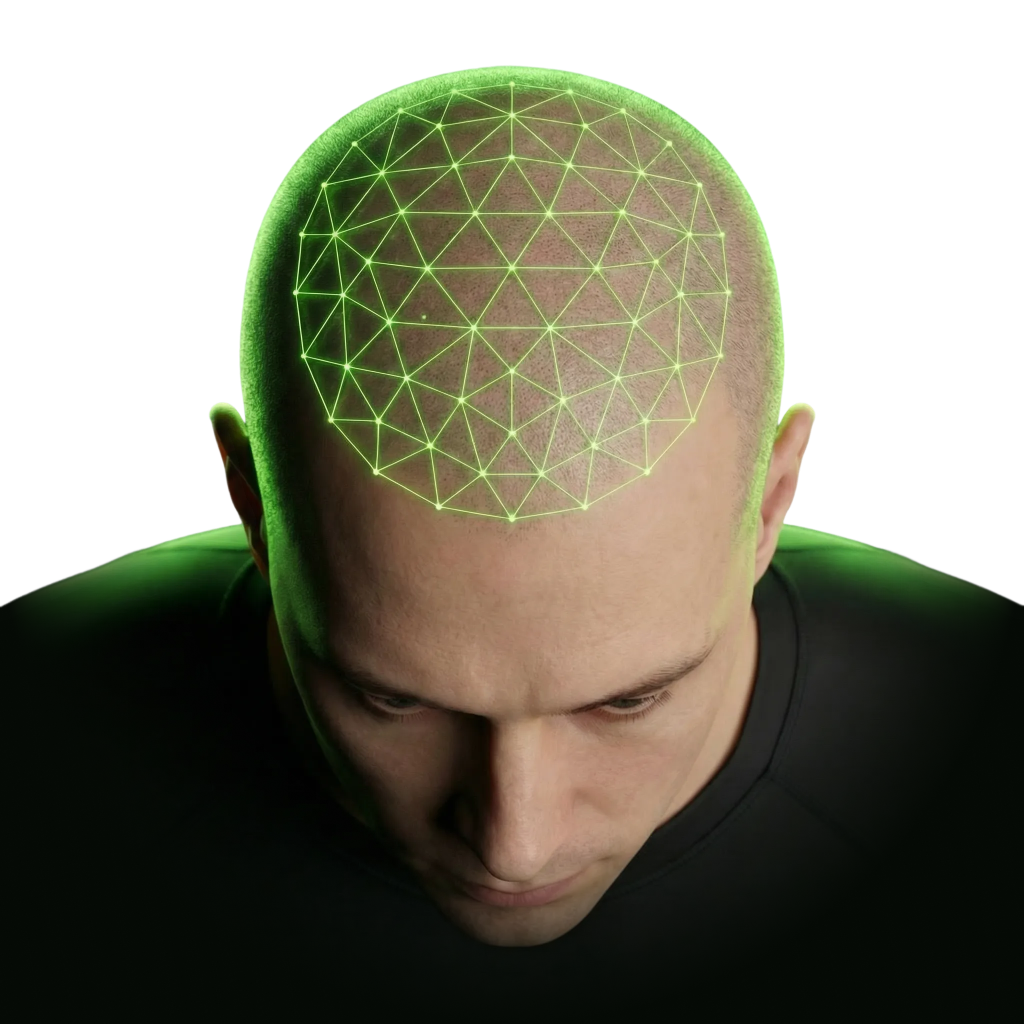
The Impact of Hat Wearing on Hair Health
Hats tend to get blamed when hair starts changing. You wear one more often, you notice more shedding, and the timeline overlaps just enough for suspicion to take root. Soon the hat feels less like protection and more like a risk.
Hair doesn’t respond to accessories the way we imagine it does.
It responds to conditions.
Understanding how hats actually interact with hair and scalp helps separate coincidence from cause, and removes a layer of unnecessary worry.
Why Hats Get an Unfair Reputation
Hair loss is delayed. What you notice today is often the result of signals your body received weeks or months ago. Hats are easy to blame because they’re tangible—you can feel them and remove them.
Biologically, they’re not powerful.
Hair follicles respond to hormones, inflammation, and circulation. They don’t know whether you’re wearing a hat. The body doesn’t shorten growth cycles just because fabric is nearby.
What Hats Actually Do to Hair
A hat sits on top of the hair and scalp. It doesn’t pull hair out at the root, and it doesn’t starve follicles of oxygen. Hair doesn’t breathe; the scalp gets its oxygen from blood flow, not the air.
Indirect effects don’t equal hair loss.
What hats can do is create a micro-environment:
- Increase warmth
- Trap sweat
- Add friction if they are too tight
- Influence surface scalp health
Friction, Breakage, and the Shedding Confusion
One real interaction hats have with hair is friction. Rough fabrics or constant movement can cause hair shafts to break.
Breakage isn’t follicle loss.
This distinction matters because breakage is reversible with gentler handling. Follicle loss is not.
- Breakage: The hair was already grown; the root remains intact.
- Shedding: The follicle has entered a rest phase and released the hair.
Confusing the two creates unnecessary panic.
Sweat, Oil, and the Scalp Environment
Hats can increase sweating, but sweat itself doesn’t damage follicles. However, when sweat and oil stay trapped, irritation can increase.
The issue here isn’t the hat; it’s prolonged moisture without relief.
Simple hygiene usually solves this:
- Washing hats regularly
- Letting the scalp dry completely
- Avoiding tight headwear for long shifts without breaks
Why Hats Often Increase Awareness of Hair Loss
Hats don’t usually cause hair loss; they reveal it psychologically. Taking a hat off draws attention to the hair. You look, you assess, and you compare.
The mirror feels harsher. The anxiety feels new. The process isn’t.
Hair that already thins under certain lighting can feel dramatically different after being flattened by a hat, even if nothing has changed biologically.
When Hat Wearing Can Be Helpful
Hats aren’t just neutral; they can be beneficial. They protect the scalp from sun exposure, which reduces long-term skin damage and inflammation.
Sun protection isn’t about looking careful.
It’s about preventing slow, invisible damage.
For thinning or shaved scalps, this protection matters more than most realize. A hat reduces the load of cumulative sun damage, and comfort supports consistency in care.
Key Takeaway
Wearing hats does not cause hair loss. They don’t block oxygen, and they don’t change genetic or hormonal signals.
Hats are tools.
Not triggers.
Most of the stress around hats comes from timing and perception, not biology. When you stop treating them like suspects, they go back to being what they were meant to be: simple and practical.
Baldy Partner Feature
BALDY AI APP
Get a personalized treatment protocol with Heatmap Analysis and 30+ data insights.
Access hundreds of exercises, research, and real results. Download Baldy now!
Learn More
Editorial Policy
Content is educational and not medical advice. For diagnosis or treatment decisions, consult a licensed clinician.