The Impact of Dehydration on Hair Shaft Brittleness
Hair Loss & Health Scan
BALDY AI APP
Get a personalized treatment protocol with Heatmap Analysis and 30+ data insights.
Access hundreds of exercises, research, and real results. Download Baldy now!
Start Your Scan
The Impact of Dehydration on Hair Shaft Brittleness
When hair starts snapping, fraying, or refusing to behave, people usually blame products. Dehydration rarely gets considered, because it feels too basic to explain something that looks complex.
But the hair shaft is a physical structure.
And physical structures depend heavily on water.
Dehydration doesn’t usually cause hair to fall out from the root. Instead, it changes how hair behaves once it grows.
Hair Shaft vs. Hair Follicle: An Important Difference
Not all hair problems start at the follicle. The follicle produces hair; the shaft is what you see and touch. Dehydration primarily affects the shaft.
Breakage can mimic hair loss without being hair loss.
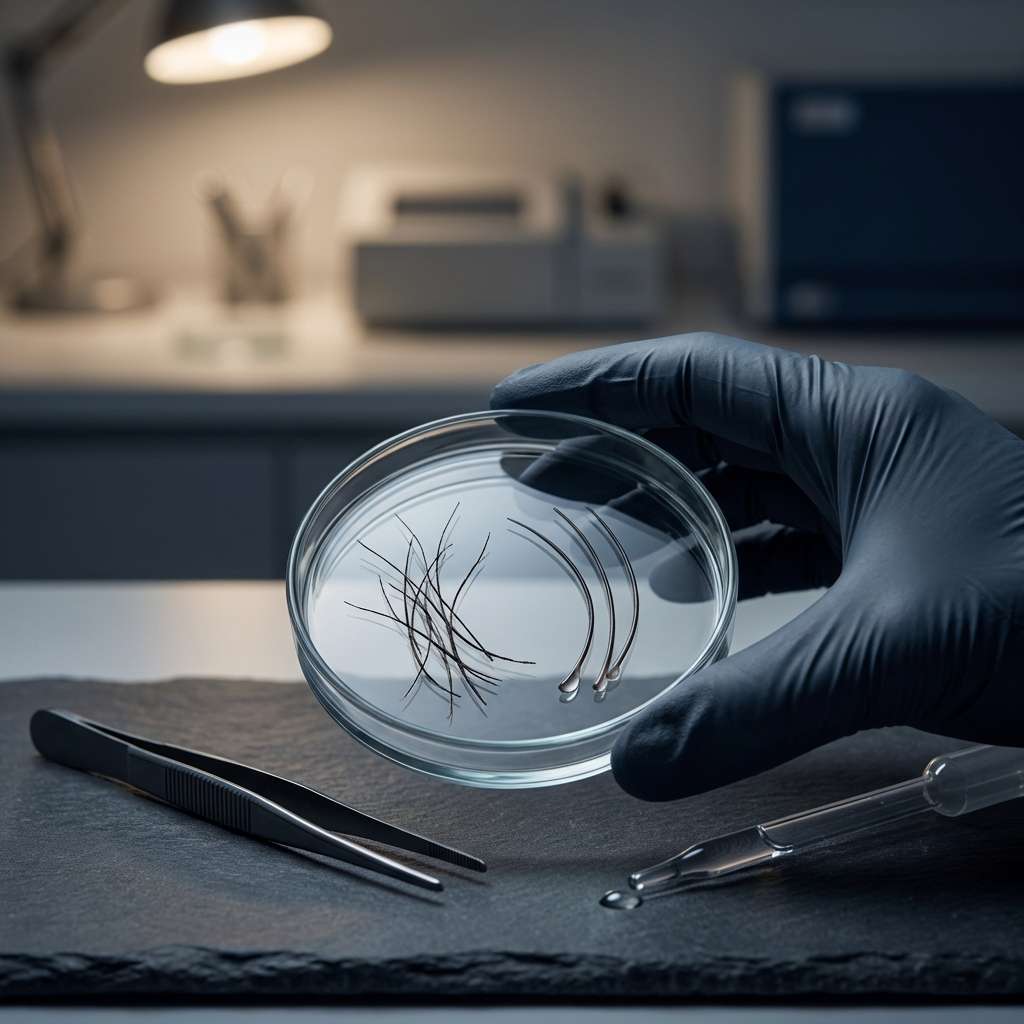
When the shaft becomes brittle, hair breaks more easily. Coverage decreases and ends look wispy, even though the number of growing hairs hasn’t changed.
Why Water Matters to Hair Structure
The hair shaft contains keratin fibers held together by bonds that depend on moisture for flexibility. Water allows hair to bend without snapping.
Dry hair doesn’t just feel different.
It behaves differently under stress.
When hydration is low:
- Hair loses elasticity
- Cuticles lift more easily
- Friction increases
- Breakage becomes more likely
Internal Dehydration vs. External Dryness
External dryness comes from environmental exposure or heat styling. Internal dehydration comes from insufficient fluid intake or electrolyte imbalance.
Internal hydration sets the baseline.
Products only adjust the surface.
You can moisturize dry hair externally, but you can’t condition your way out of internal dehydration. When the body is dehydrated, it prioritizes essential organs over hair.
How Dehydration Leads to Brittleness Over Time
Dehydration doesn’t snap hair immediately; it weakens it gradually. As hydration stays low, hair shafts lose flexibility and micro-fractures develop.
The hair is growing.
It’s just not surviving.
This is why people often notice:
- More short, broken hairs
- Thinning at the ends before the roots
- Hair that won’t grow past a certain length
Why Brittle Hair Often Appears Before Thinning
Brittleness is often an early warning sign. Before follicles change behavior, hair shafts begin to break more easily. This sequence is common:
- Hair feels drier and rougher
- Ends thin and break
- Overall volume drops
Understanding this order prevents unnecessary panic.
The issue started with shaft integrity, not follicle failure.
Dehydration, Stress, and Compounding Effects
Stress increases fluid loss. Cortisol affects fluid balance, electrolyte regulation, and kidney function. When stress and dehydration overlap, hair becomes especially vulnerable.
The result feels sudden.
The cause was cumulative.
Restoring Hydration Without Overcorrecting
Fixing dehydration doesn’t require extremes. Constant water chugging without electrolytes can worsen imbalance. A steadier approach helps more:
- Consistent fluid intake across the day
- Adequate electrolytes from food
- Attention to recovery and sleep
- Reducing excessive diuretics when possible
Existing brittle hair won’t reverse.
New hair can grow stronger.
Key Takeaway
Dehydration affects hair primarily by weakening the hair shaft, not by stopping growth at the follicle. Low hydration reduces elasticity and leads to gradual breakage that mimics thinning.
Hydration doesn’t force hair to grow.
It allows hair to bend, survive, and last.
Sometimes, protecting what’s already growing matters just as much as worrying about what comes next.
Baldy Partner Feature
BALDY AI APP
Get a personalized treatment protocol with Heatmap Analysis and 30+ data insights.
Access hundreds of exercises, research, and real results. Download Baldy now!
Learn More
Editorial Policy
Content is educational and not medical advice. For diagnosis or treatment decisions, consult a licensed clinician.