Skin Care for the Scalp Preventing Dryness and Aging
Hair Loss & Health Scan
BALDY AI APP
Get a personalized treatment protocol with Heatmap Analysis and 30+ data insights.
Access hundreds of exercises, research, and real results. Download Baldy now!
Start Your Scan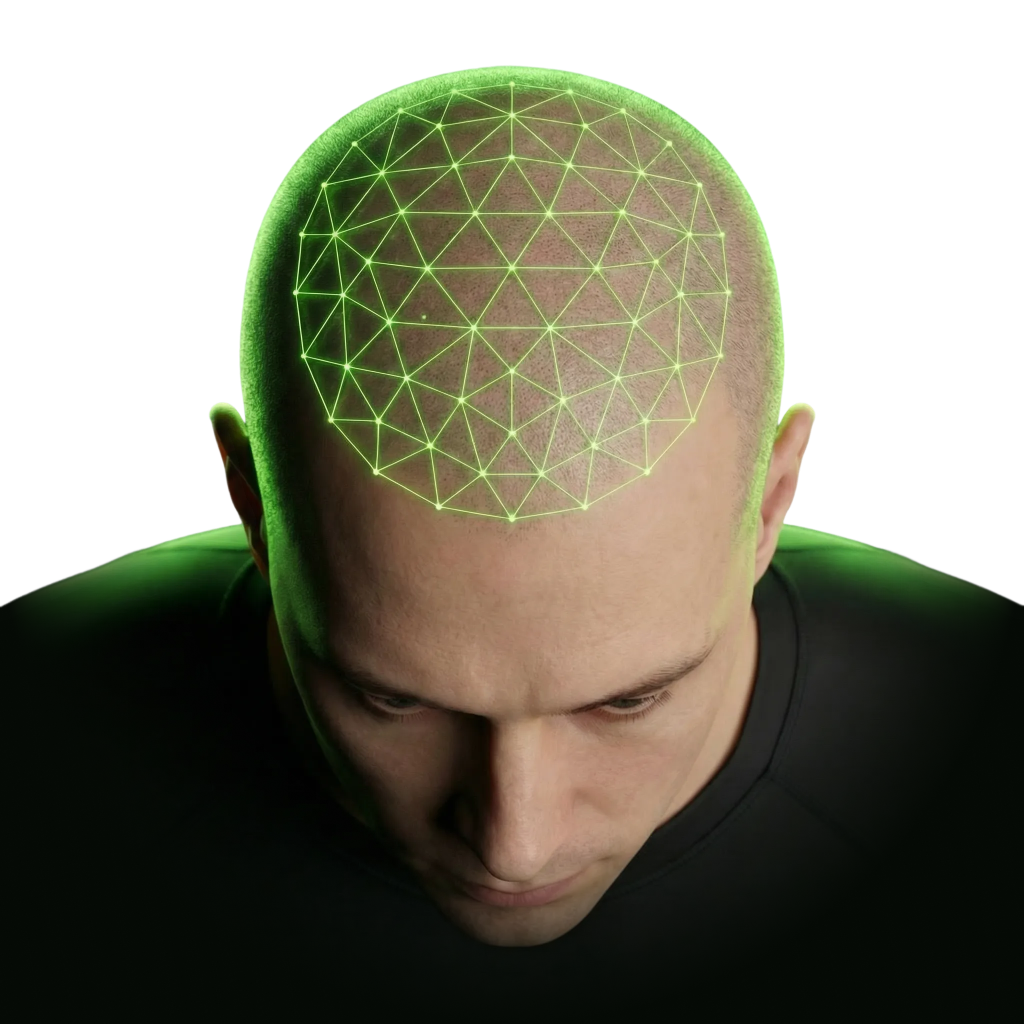
Skin Care for the Scalp: Preventing Dryness and Aging
The scalp is easy to ignore when hair is present.
It’s covered. It’s hidden. It doesn’t feel like “skin” in the same way your face does. But as hair thins, shortens, or disappears, the scalp becomes visible and suddenly behaves like what it has always been: exposed skin.
Dryness, tightness, flaking, uneven tone, and early aging often show up not because something went wrong, but because scalp skin was never cared for directly.
Scalp care isn’t about vanity.
It’s about treating exposed skin like skin.
Why the Scalp Ages Differently
Scalp skin is not the same as facial skin.
It has more oil glands, higher blood flow, and constant environmental exposure once hair coverage decreases. At the same time, it’s often washed more aggressively and moisturized less intentionally.
This creates a mismatch.
The scalp is cleansed frequently but supported rarely. Over time, this leads to dryness, barrier disruption, and signs of aging that feel sudden only because they weren’t monitored before.
Aging doesn’t accelerate overnight. Visibility does.
Dryness Is Usually a Barrier Issue, Not a Moisture Issue
Most scalp dryness isn’t caused by lack of water.
It’s caused by a weakened skin barrier. When that barrier is compromised, moisture escapes faster than it can be retained, even if oils are present.
Signs of barrier stress include:
-
Tightness after washing
-
Flaking without heavy oil
-
Itch that comes and goes
-
Scalp that feels “reactive”
Adding heavier products without fixing the barrier often makes things worse. Oil can sit on the surface while dryness continues underneath.
Healthy skin holds moisture. Unhealthy skin leaks it.
Cleansing Without Stripping
How you wash your scalp matters more than how often.
Harsh shampoos remove oil aggressively, which signals the skin to compensate. This can lead to rebound oiliness paired with dryness underneath, a frustrating combination.
Gentler cleansing supports aging scalp skin better.
That usually means:
-
Avoiding very hot water
-
Choosing milder cleansers
-
Rinsing thoroughly to prevent residue
Clean doesn’t need to mean squeaky. It should feel neutral.
Moisturizing the Scalp Without Making It Greasy
Scalp moisturizing feels counterintuitive to many people.
The fear is shine, buildup, or clogged pores. But aging scalp skin benefits from light, fast-absorbing hydration, not heavy occlusion.
What tends to work best:
-
Lightweight, non-greasy moisturizers
-
Products designed for face or scalp rather than body
-
Small amounts applied to damp skin
Moisturizing helps restore flexibility, reduces flaking, and supports barrier repair over time.
A hydrated scalp usually looks healthier, not shinier.
Sun Exposure and Invisible Damage
The scalp often gets more sun than you realize.
Hair thinning creates uneven exposure, especially at the crown and part. UV damage accelerates dryness, pigment changes, and skin aging long before it causes discomfort.
Sun protection matters here.
Lightweight sunscreens, hats, or intentional shade reduce cumulative damage. This isn’t about avoiding the sun entirely. It’s about acknowledging that exposed scalp skin needs the same protection as your face.
Sun damage ages quietly. Protection works the same way.
Inflammation, Sensitivity, and Aging
Low-grade inflammation accelerates skin aging.
On the scalp, this often shows up as sensitivity, redness, or persistent flaking rather than pain. Inflammation disrupts collagen support, weakens the barrier, and makes the skin less resilient over time.
Reducing inflammation isn’t about treating symptoms aggressively. It’s about removing constant irritants and supporting recovery.
Gentler routines usually age better than corrective ones.
Aging Signs People Miss Until Hair Thins
Many signs of scalp aging are invisible under hair.
Once hair thins, they become obvious:
-
Uneven tone
-
Fine lines or creasing
-
Dryness patches
-
Dull or rough texture
These changes often feel alarming because they appear “all at once.” In reality, they’ve been developing gradually for years.
Awareness feels like acceleration, but it’s not.
Consistency Beats Complexity
Scalp skin responds best to simple, consistent care.
Frequent product switching, aggressive treatments, or chasing quick fixes tends to increase irritation. Aging skin prefers predictability.
A basic routine often works best:
-
Gentle cleansing
-
Light moisturizing
-
Sun protection when exposed
That’s enough to slow visible aging and reduce dryness for most people.
You don’t need a perfect routine. You need one you’ll actually maintain.
Separating Scalp Health From Hair Outcomes
It’s important to keep expectations clear.
Scalp skin care improves comfort, appearance, and resilience. It does not reverse hair loss or change follicle genetics. Confusing the two leads to disappointment.
That said, a healthier scalp creates a better environment for whatever hair is present. It also makes shaved or thinning scalps look more even, calmer, and intentional.
Skin health stands on its own.
Tracking Changes Without Obsessing
As with hair, scalp changes are slow.
Dryness improves gradually. Texture softens over weeks. Tone evens out with time. Reacting daily makes progress hard to see.
Tracking comfort, flaking, and sensitivity over time helps separate real improvement from day-to-day fluctuation. This is where tools like Baldy fit naturally, by helping you observe trends rather than react to mirrors.
Observation supports patience.
Key Takeaway
The scalp is skin, and it ages like skin once it’s exposed.
Preventing dryness and premature aging comes down to protecting the barrier, avoiding harsh cleansing, adding light hydration, and managing sun exposure. These changes don’t work overnight, but they compound quietly.
Scalp care isn’t about fixing something that’s broken.
It’s about supporting skin that’s finally visible.
And when the scalp feels healthy, it usually looks healthier too, whether there’s hair on top of it or not.
Baldy Partner Feature
BALDY AI APP
Get a personalized treatment protocol with Heatmap Analysis and 30+ data insights.
Access hundreds of exercises, research, and real results. Download Baldy now!
Learn More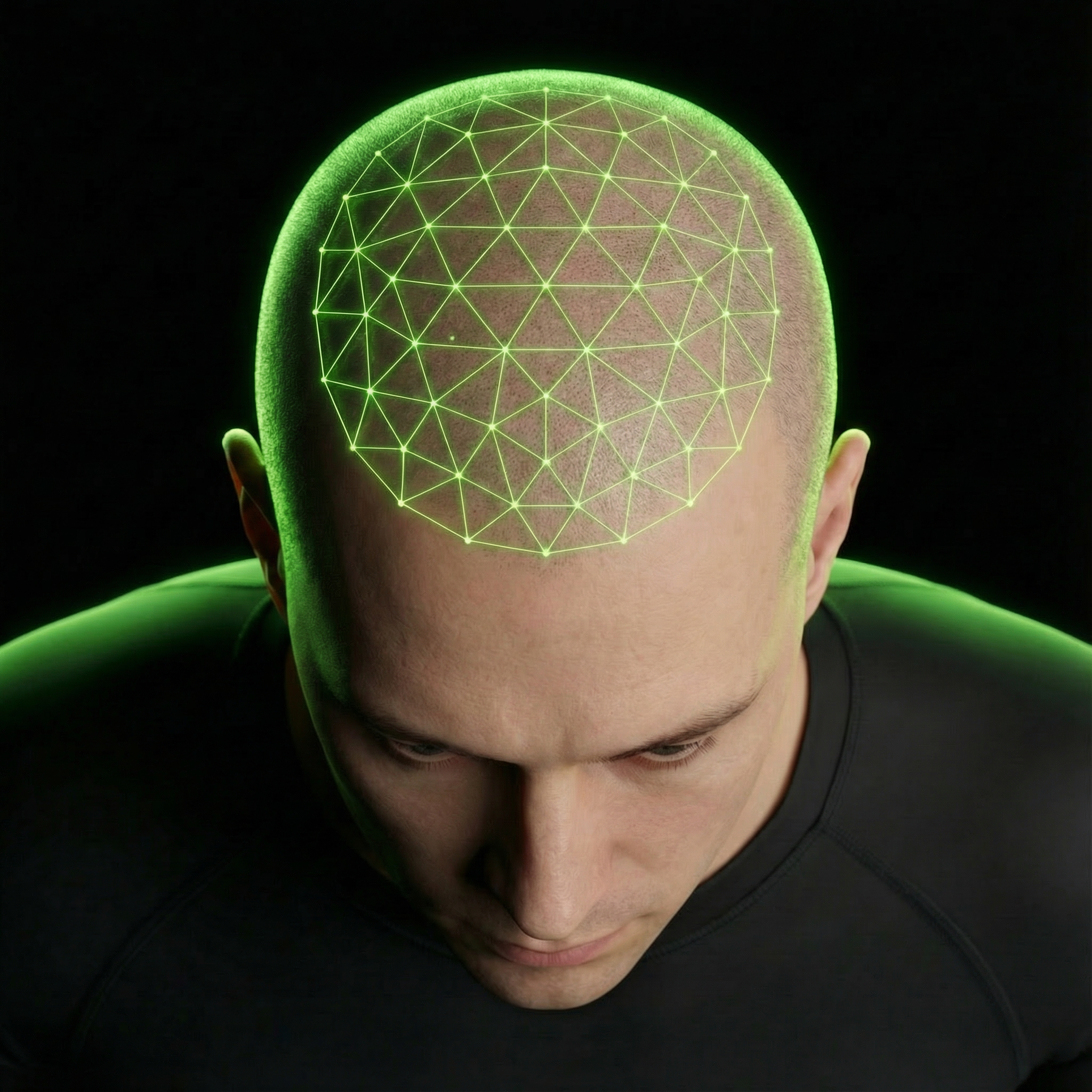
Editorial Policy
Content is educational and not medical advice. For diagnosis or treatment decisions, consult a licensed clinician.