Hair Systems (Toupees) Modern Options and Maintenance
Hair Loss & Health Scan
BALDY AI APP
Get a personalized treatment protocol with Heatmap Analysis and 30+ data insights.
Access hundreds of exercises, research, and real results. Download Baldy now!
Start Your Scan
Hair Systems (Toupees): Modern Options and Maintenance
Hair systems usually enter the conversation after exhaustion, not curiosity. You’ve spent enough time adjusting lighting and negotiating with styling. At some point, the question stops being “How do I slow this down?” and becomes “Is there a way to just look how I want again?”
Hair systems aren’t a medical solution.
They’re an appearance choice.
Like any appearance choice, they work best when expectations are realistic and maintenance is understood upfront. Modern systems are designed to blend with the scalp and allow hair to move naturally.
What Hair Systems Actually Are Today
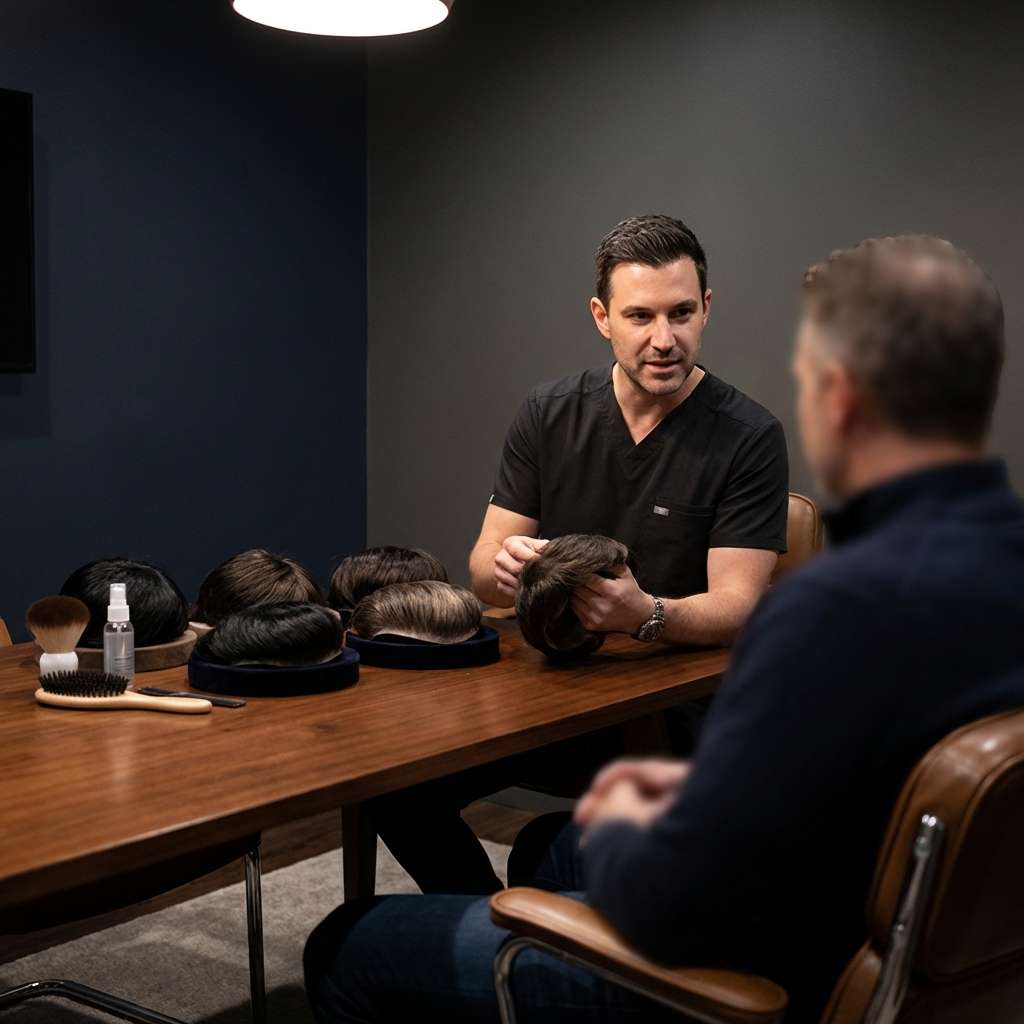
Modern hair systems are not what most people picture when they hear “toupee.” They are custom or semi-custom pieces made from human or synthetic hair, attached to the scalp using adhesive, tape, or clips.
When done well, they don’t look like “a piece.”
They look like hair that belongs.
What’s changed isn’t just materials—it’s technique, customization, and how systems are worn day to day to avoid attracting attention.
Why Hair Systems Can Feel Appealing
Hair systems offer something no treatment can: immediacy. There’s no waiting for cycles or hoping regrowth sticks. Density appears as soon as the system is on.
You’re not chasing biology; you’re choosing appearance.
For people who struggle most with visibility rather than progression, this can feel like relief. That distinction matters psychologically because it bypasses the uncertainty of biological response.
The Commitment Most People Underestimate
Hair systems require regular, ongoing maintenance. This isn’t difficult, but it is a consistent part of the routine. The time you save on daily styling is often replaced by the time spent maintaining the system.
Hair systems don’t remove effort.
They redirect it.
This includes:
- Reattachment or adjustment every few weeks
- Thoroughly cleaning the system and the scalp
- Managing adhesive breakdown from sweat or oil
- Trimming and blending natural hair as it grows
Natural Look Depends on Design, Not Density
The biggest mistake people make is choosing too much hair. Natural hairlines are imperfect, density tapers, and direction varies. Systems that aim for “maximum hair” often look less believable.
Believability matters more than fullness.
A natural system usually includes:
- A slightly irregular hairline
- Moderate density that matches your age
- Movement rather than stiffness
- Styling that complements your face shape
Adhesives, Comfort, and Skin Health
Attachment methods matter more than people expect. Strong adhesives increase security but can irritate skin, while weaker options feel better but require more frequent upkeep.
Comfort determines sustainability.
Scalp health is vital. Irritation or clogged pores can build if the scalp isn’t cleaned properly between attachments. A healthy scalp makes the system more comfortable and, by extension, more convincing to those around you.
Key Takeaway
Modern hair systems are realistic, customizable, and capable of delivering immediate visual change. They offer appearance control in exchange for consistent maintenance.
They’re not a shortcut.
They’re a tradeoff.
For the right person, that tradeoff feels freeing rather than limiting. When expectations match reality, hair systems become less about hiding loss and more about choosing your own visibility.
Baldy Partner Feature
BALDY AI APP
Get a personalized treatment protocol with Heatmap Analysis and 30+ data insights.
Access hundreds of exercises, research, and real results. Download Baldy now!
Learn More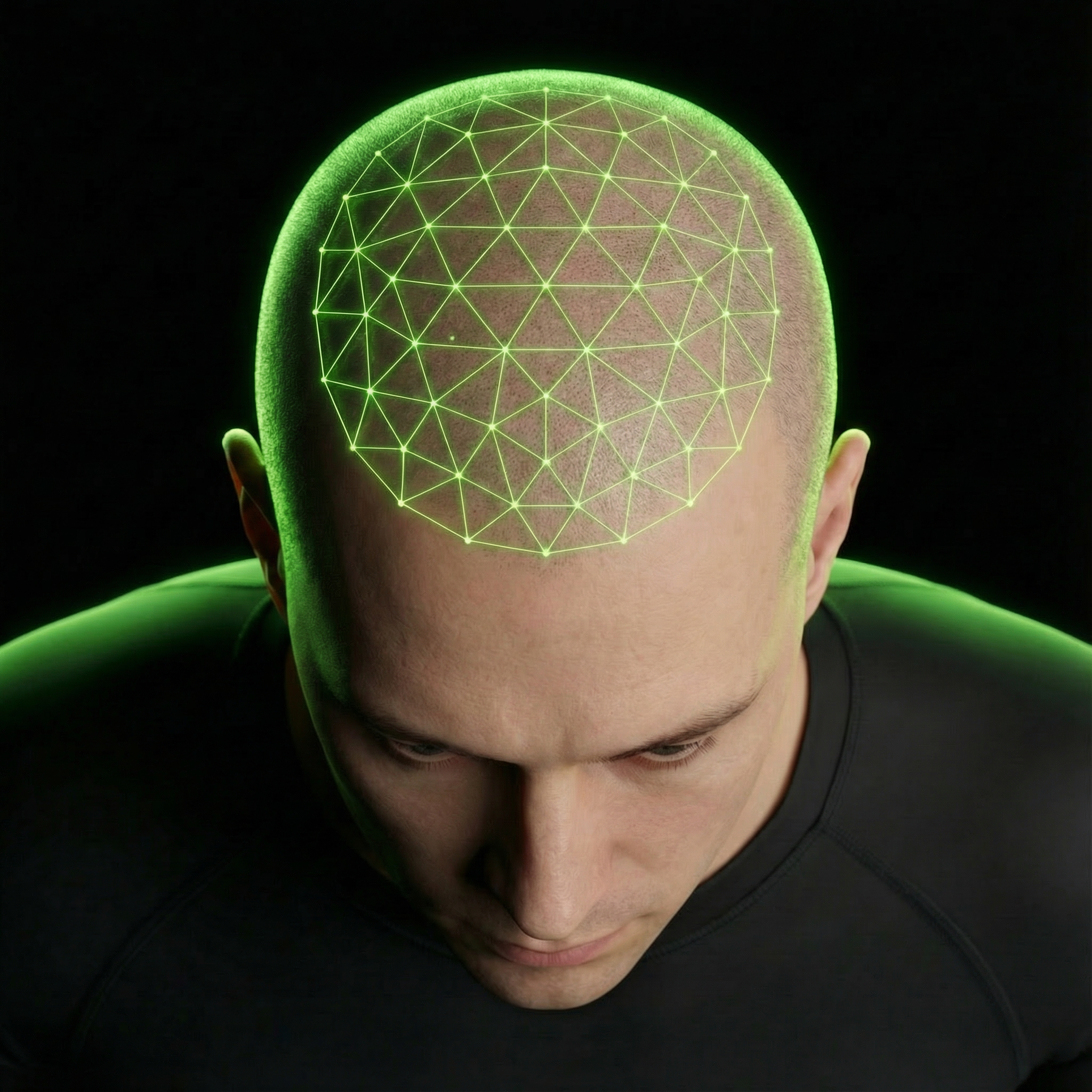
Editorial Policy
Content is educational and not medical advice. For diagnosis or treatment decisions, consult a licensed clinician.